


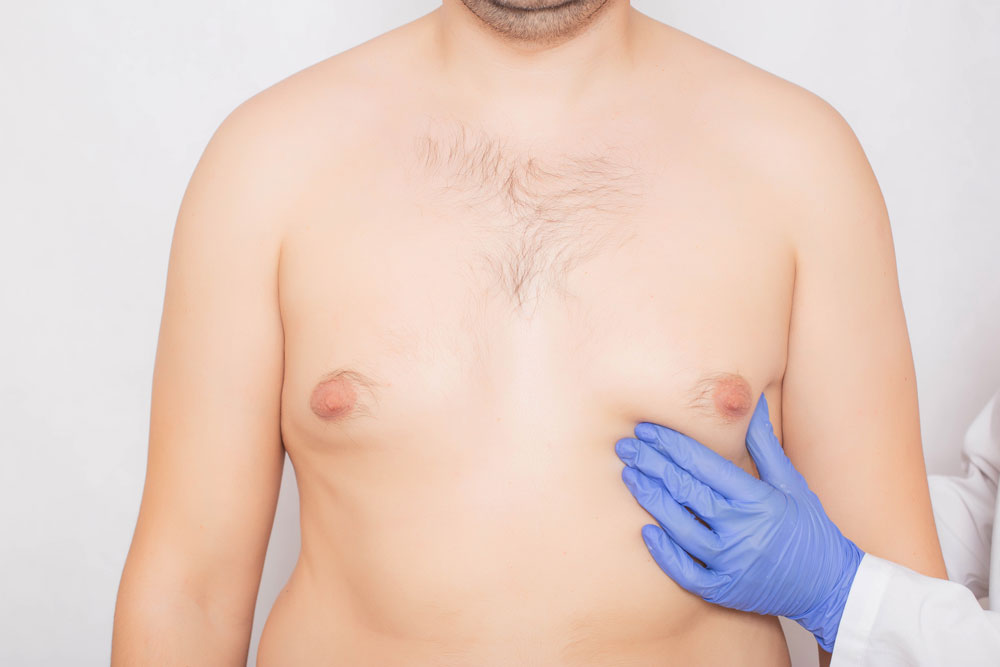
You’ve probably spent years avoiding situations most men take for granted — pool parties, beach trips, locker rooms, even wearing a fitted shirt. Living with gynecomastia (enlarged male breast tissue) affects far more than your appearance. It changes how you move through the world.
Gynecomastia affects roughly 30% of men at some point in their lives, and for many, surgery is the only path to lasting change. At Northstate Plastic Surgery in Chico, CA, Dr. Kevin Myers brings Ivy League training and over two decades of surgical experience to patients throughout Northern California seeking relief from this condition.
What Causes Gynecomastia?
Gynecomastia develops when a man’s estrogen and testosterone levels fall out of balance. Your body naturally produces both hormones, but when estrogen activity increases relative to testosterone, your breast tissue can grow.
Several things can trigger this imbalance:
- Puberty: Hormone fluctuations during adolescence cause temporary gynecomastia in many teenage boys. Most cases resolve within two years, but some persist into adulthood.
- Aging: Testosterone levels naturally decline with age while body fat (which produces estrogen) often increases.
- Medications: Certain drugs (including some antidepressants, heart medications, antibiotics, and anti-anxiety medications) can contribute to breast tissue growth.
- Anabolic steroids: Both current and past steroid use can cause gynecomastia.
- Health conditions: Liver disease, kidney failure, thyroid disorders, and tumors affecting hormone-producing glands may play a role.
- Cannabis and alcohol: Regular use of either substance has been linked to gynecomastia development.
Sometimes no clear cause can be identified. This can be frustrating, but regardless of why it developed, male breast reduction surgery can permanently remove the excess tissue.
How Do Surgeons Classify Gynecomastia Severity?
The surgical approach Dr. Myers recommends depends largely on how much tissue needs to be addressed. Most plastic surgeons use a four-grade classification system:
- Grade I: Minor enlargement, no excess skin. Often treatable with liposuction alone.
- Grade II: Moderate enlargement without significant skin laxity. May require liposuction combined with glandular tissue excision.
- Grade III: Moderate to significant enlargement with some excess skin. Typically requires excision and possibly minor skin removal.
- Grade IV: Severe enlargement with substantial excess skin. Often requires more extensive tissue removal and skin tightening.
During your consultation at our Chico office, Dr. Myers will examine your chest and determine which grade best describes your condition. This evaluation is the foundation of your surgical plan.
What Happens During a Gynecomastia Consultation?
Your first appointment at Northstate Plastic Surgery is about getting to know you. Dr. Myers wants to understand the full picture, including your medical history, current medications, lifestyle, and what you hope to achieve with surgery. He’ll perform a physical examination to assess the composition of your breast tissue (fat versus glandular tissue versus a combination), evaluate skin quality and elasticity, and determine your gynecomastia grade.
After this, you’ll discuss surgical options. Dr. Myers will explain the potential risks, the recovery timeline, and realistic outcomes of each option . Many patients find it helpful to see before-and-after photos of previous gynecomastia patients to better understand what’s possible.
How Should I Prepare for Surgery?
Once you’ve scheduled your procedure, preparation begins several weeks in advance.
Two weeks before surgery:
- Stop taking blood-thinning medications and supplements (aspirin, ibuprofen, vitamin E, fish oil, and others Dr. Myers will specify)
- If you smoke, this is your quit date, and you’ll need to stay smoke-free for at least four to six weeks after surgery
The week before:
- Complete any required lab work or medical clearances
- Fill prescriptions for post-operative medications
- Arrange for someone to drive you home and stay with you for at least 24 hours
- Stock your recovery area with comfortable front-closing shirts, ice packs, and entertainment
The night before:
- Follow fasting instructions (typically nothing to eat or drink after midnight)
- Get a good night’s sleep
What Happens During Gynecomastia Surgery?
Gynecomastia surgery is an outpatient procedure, meaning you’ll go home the same day. The surgery takes one to three hours depending on the extent of correction needed.
Dr. Myers tailors his technique to your specific condition:
- Liposuction alone works well for cases involving primarily fatty tissue without significant glandular enlargement. Small incisions allow a thin cannula to remove fat while sculpting natural chest contours.
- Excision removes glandular breast tissue that liposuction can’t address. Incisions are typically placed around the areola where they heal inconspicuously.
- The combined approach addresses both fat and glandular tissue, often producing the best results for moderate to severe gynecomastia.
- For Grade IV cases with significant skin excess, additional incisions may be necessary to remove loose skin and achieve a flat, masculine chest profile.
You’ll be under general anesthesia throughout the procedure. When you wake up, your chest will be wrapped in a compression garment that supports your new contours during healing.
What Does Recovery From Gynecomastia Surgery Look Like?
Recovery happens in stages:
- Days 1-3: This is the most uncomfortable period. Expect swelling, bruising, and soreness that are manageable with prescribed pain medication. Keep your compression garment on continuously and rest as much as possible. Walking around the house is fine and actually encouraged to promote circulation.
- Week 1: Discomfort decreases significantly. Most patients transition to over-the-counter pain relievers. If you have a desk job, you may feel ready to return to work, though many prefer waiting until week two. You’ll have a follow-up appointment so Dr. Myers can check your healing and remove any drains if placed.
- Weeks 2-4: Bruising fades and swelling continues to decrease. You can gradually resume normal daily activities but should still avoid anything strenuous. Continue to wear the compression garment as directed.
- Weeks 4-6: Most patients can ease back into exercise, starting with lower body and cardio workouts. Chest exercises typically wait until the six-week mark or until Dr. Myers clears you.
- Months 2-6: Your final results emerge as residual swelling resolves. Some patients continue seeing subtle improvements for up to a year.
Throughout your recovery, follow Dr. Myers’ instructions carefully. The choices you make during these weeks directly affect your safety and results.
Will My Results Last?
When performed correctly, gynecomastia surgery provides permanent removal of treated breast tissue. The glandular tissue Dr. Myers removes won’t grow back.
That said, it’s best to maintain a healthy weight, as significant weight gain can cause the remaining fat cells in your chest to enlarge. Avoid steroids and other substances known to cause gynecomastia. If you’re prescribed a medication that can contribute to breast tissue growth, discuss alternatives with your prescribing physician.
For most patients, gynecomastia surgery marks the end of a long struggle. You can finally take your shirt off without a second thought.
Meet With Dr. Myers to Discuss Male Breast Reduction
If gynecomastia has held you back from living fully, surgery can change that. Dr. Kevin Myers has dedicated his career to helping patients achieve results that look natural and feel life-changing. His training at some of the country’s most prestigious medical institutions, combined with over two decades of experience, means you’re in exceptionally capable hands.
Patients travel from throughout Northern California — including Redding, Paradise, Oroville, Yuba City, and beyond — to our Chico office for consultations. Contact Northstate Plastic Surgery at 530-345-5900 to schedule yours and learn whether gynecomastia surgery is right for you.